
Old House vs. New Build: What to Really Weigh as a Maine Buyer
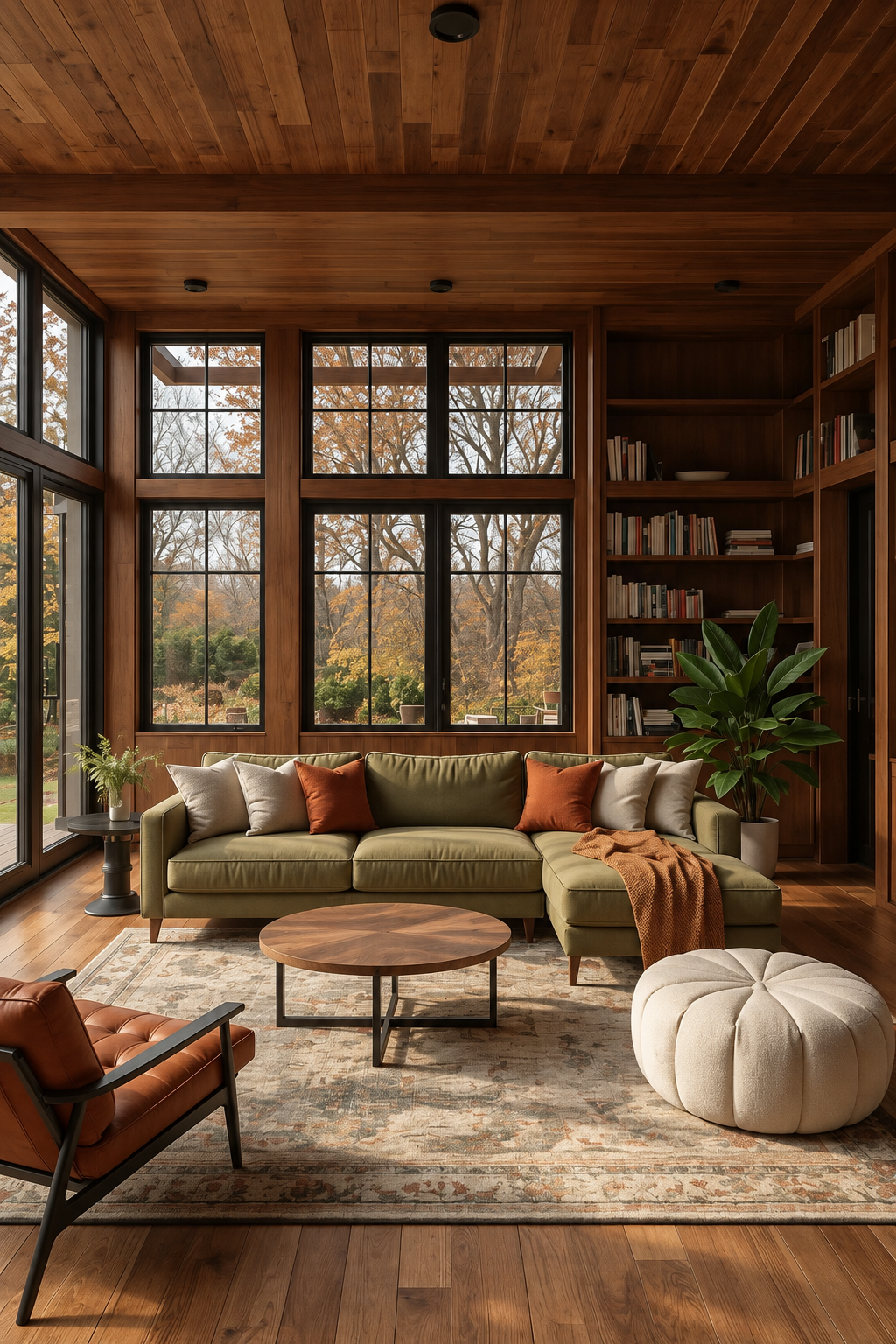
If you've spent any time looking at homes in Southern Maine, you've probably noticed just how different two properties at the same price point can be. You might tour a century-old home in Portland with original hardwood floors, beautiful woodwork, and a front porch, then visit a brand-new home in Falmouth or Gorham with an open floor plan, modern heating systems, and very little immediate maintenance on your to-do list.
Both can be great investments, and both come with considerations that aren't always obvious during a showing. Maine has an incredible mix of historic properties, mid-century homes, and new construction, and I love helping buyers explore their options and understand what comes with each. If you're deciding between an older home and a new build, here are a few things I would encourage you to consider before making an offer.
The Charm Factor and What Comes With It
There's a reason older Maine homes are popular. Original hardwood floors, detailed trim, built-ins, and craftsmanship that has held up for generations can give a property a personality that's difficult to recreate. In neighborhoods around Portland, you may also find mature trees, beautiful landscaping, and architectural details that have been part of the home for decades.
I completely understand why buyers fall in love with these features, but I always encourage them to look closely at what's happening behind the walls, too. Older homes may have outdated electrical systems, including knob-and-tube wiring, aging plumbing, or insulation that falls short of current standards. Depending on the age and condition of the property, you may also encounter lower ceilings, uneven floors, or layouts that require a little creativity. These details don't automatically make an older home a poor purchase, but they deserve attention before you commit, particularly when you're estimating renovation costs or deciding how much work you're comfortable taking on.
Do They Really Build Homes Like They Used To?
You've probably heard someone say, "They don't build them like they used to." There is some truth behind that statement, especially when you look at the materials and construction methods used in certain older homes. Old-growth lumber, solid framing, plaster walls, and original millwork can be difficult and expensive to replicate today. A well-maintained historic home may have construction features that have already proven themselves over decades, although the age of a house alone doesn't guarantee its quality.
New construction has its own range of quality, and the builder makes a tremendous difference. A thoughtfully constructed new home can offer excellent materials, modern building standards, and systems designed to perform well for years. Other properties may have rushed finishes, installation issues, or construction shortcuts that won't become apparent until after the buyer has moved in.
When we're touring homes, I pay attention to the condition of the property, the quality of the finishes, and any signs that warrant a closer look. I also want buyers to have the right professionals involved. A qualified home inspector, and sometimes a contractor or specialist, can help us better understand the construction and identify concerns before moving forward. Whether a home was built in 1900 or 2026, I want you to feel confident about the quality of what you're purchasing.
What Will Maintenance Actually Look Like?
Maintenance is an area where I encourage buyers to think beyond their first year of homeownership. With an older home, you'll want to pay particular attention to the roof, foundation, heating system, plumbing, and electrical work. Ask about the age of major components, review available maintenance records, and find out what previous owners have already updated. An older home with a recently replaced roof, updated electrical system, and well-maintained heating equipment could require fewer immediate repairs than a newer property that has received minimal upkeep.
New construction comes with a different set of expenses to consider. Depending on what's included in the purchase, you may still need to budget for landscaping, window treatments, appliances, or finishing outdoor spaces. It's worth reviewing the builder's specifications carefully so you understand exactly what will be complete when you move in. I also recommend asking about warranties, how the builder handles repairs after closing, and which items fall under their coverage.
Before making an offer, I like to help buyers put together a realistic picture of the expenses they could face over the next several years. That makes it easier to compare properties based on what ownership will actually cost.
Energy Efficiency and Maine Heating Costs
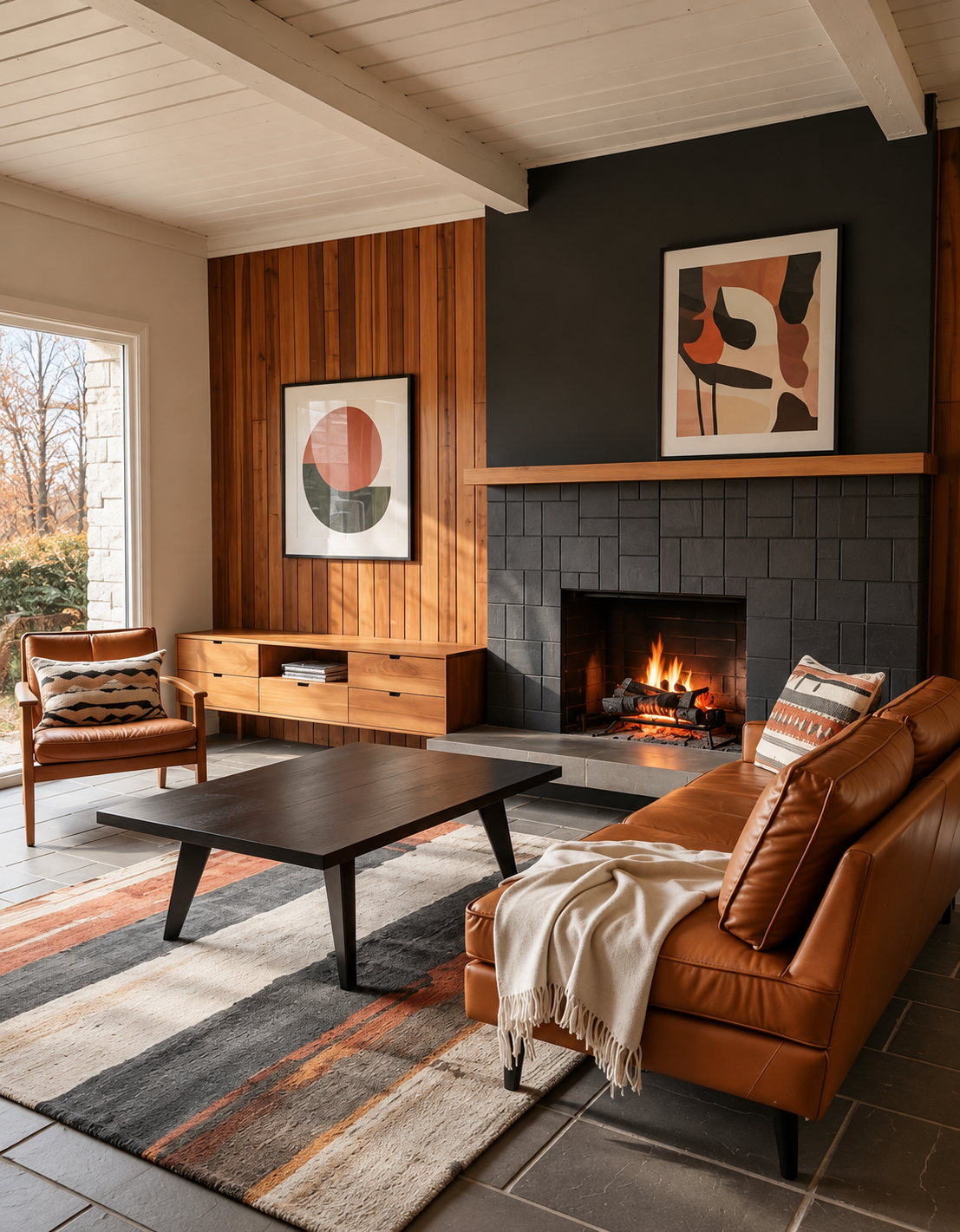
Heating deserves its own conversation when you're buying a home in Maine. Our winters are long, and the type of heating system, quality of insulation, and condition of the windows can have a significant impact on monthly expenses.
Many older homes still rely on oil-fired heating systems, although plenty have been updated with heat pumps, newer boilers, improved insulation, or replacement windows. If you're considering an older property, ask for past utility costs and find out what energy improvements have already been made. A home that has been thoughtfully updated can perform very well, even if it was built more than a century ago.
New construction generally benefits from current energy codes, newer insulation materials, and more efficient heating and cooling systems. However, installation quality still plays a major role in how well those systems perform. I would pay close attention to the heating setup, insulation details, and whether the home has undergone energy testing. If you're comparing two homes with similar purchase prices, the difference in annual heating and cooling expenses could be substantial, so it's worth understanding those numbers before deciding which property makes the most financial sense.
Think About the Lot, Privacy, and Outdoor Space
The property surrounding a home deserves just as much consideration as the interior, especially if you enjoy spending time outside. Many older homes sit on established lots with mature trees, existing gardens, and landscaping that has had decades to grow. In Portland and some of the surrounding neighborhoods, that might mean a smaller yard with plenty of character and established greenery.
New construction can offer different opportunities. Depending on the development and location, you may find a larger usable yard, additional privacy, or room for a future garage, garden, or outdoor entertaining area. You should also look closely at how much of the lot is actually usable. A property with several acres may have wetlands, steep grades, setbacks, or other restrictions that limit what you can do with the space. A newly cleared lot may offer plenty of room while requiring additional investment in trees, grading, or landscaping.
I encourage buyers to think about how they want to use their outdoor space throughout the year. Whether that's gardening, having room for the dog, entertaining friends, or simply enjoying some privacy, those preferences can help narrow down which properties make the most sense.
Inspections, Financing, and the Details Before Closing
The buying process can look a little different depending on whether you're purchasing an existing home or new construction. With an older property, we can review available disclosures, past improvements, permits, and maintenance records to better understand its history. A home inspection can help identify current issues and give you a clearer idea of what may need attention after closing.
New construction requires its own due diligence. Even though the property is brand new, I still recommend an independent inspection. Depending on the stage of construction, inspections may be appropriate before drywall installation, prior to closing, or both. You'll also want to understand the builder's warranty, which items it covers, and how long that protection lasts. If you're purchasing a home that's still under construction, we should review the contract carefully for completion dates, deposits, allowances, and how the builder handles changes.
It’s important to keep in mind financing can vary as well. Purchasing a completed new home may look similar to financing an existing property, while building a custom home could involve a construction loan, different appraisal requirements, and additional steps before closing. These are conversations I prefer to have early, so you understand the process and have time to ask questions before making a financial commitment.
Finding the Right Fit for Your Next Home
I've worked with buyers who love the character of older homes and others who feel much more comfortable starting fresh with new construction. Both preferences make sense, and there are excellent properties in each category throughout Southern Maine.
As you start comparing homes, think about your budget beyond the purchase price, how much maintenance you're comfortable managing, and which features you would be willing to compromise on. A property that needs a little work might be a great opportunity if you have the time and resources to make improvements. A new build may be worth the additional cost if its layout, systems, and overall condition align with your plans.
If you're thinking about buying in Portland or the surrounding communities, I'd love to help you compare your options, ask the right questions, and find a home you feel good about purchasing.
